


OFFICIAL PUBLICATION OF THE NEW MEXICO BANKERS ASSOCIATION

2026 Pub. 23 Issue 1

Executive Vice President’s Message: A Productive Visit to Washington

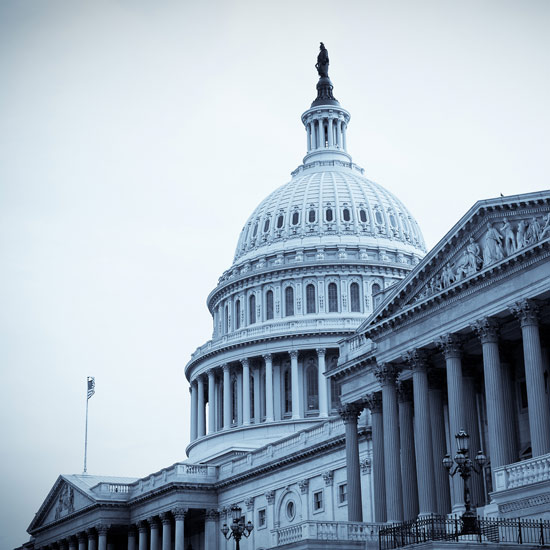
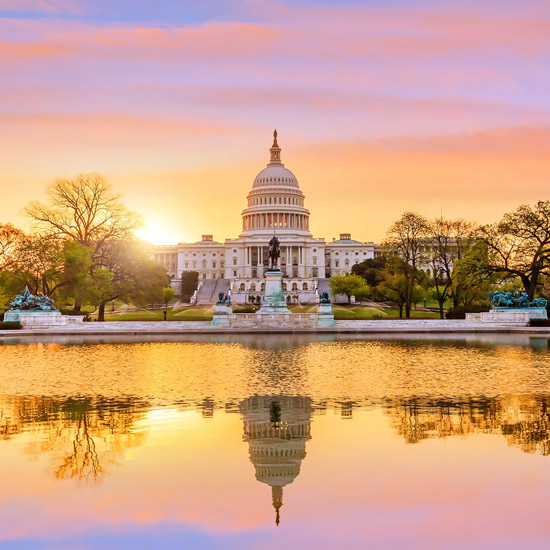
I, along with several other New Mexico bankers, made the trip to our nation’s capital in early March to attend the annual ABA Washington Summit. We enjoyed a fantastic lineup of speakers, including Sens. Mike Rounds (R-S.D.) and Angela Alsobrooks (D-Md.), Federal Reserve Vice Chair for Supervision Michelle Bowman, Comptroller of the Currency Jonathan Gould, FDIC Chairman Travis Hill and Conference of State Bank Supervisors President and CEO Brandon Milhorn.

The summit gave us an opportunity to advocate to our New Mexico congressional delegation on critical issues affecting our industry. During those meetings, we discussed the following matters:

1. Digital Asset Market Oversight

Emerging digital asset models, including payment stablecoins, must operate under regulatory standards that protect consumers and prevent firms from bypassing banking industry supervision. The GENIUS Act prohibited interest, yield or rewards for stablecoin holders, though some companies are sidestepping that restriction through affiliates and exchanges, threatening community-based deposits and lending. We requested the closure of the interest payment loophole to preserve deposit stability and further support local lending.

2. Credit Card Market Preservation

The Credit Card Competition Act (S. 3623 and H.R. 7035) and the 10 Percent Credit Card Interest Rate Cap Act (S. 381 and H.R. 1944) would impose government mandates on the credit card market, weakening transaction security, limiting community banks’ card offerings, reducing access to credit and eliminating consumer benefits like credit card reward programs. We encouraged our legislative delegation to oppose the Credit Card Competition Act and the 10 Percent Credit Card Interest Rate Cap Act.

3. Regulatory Threshold Reform

Many regulatory thresholds have remained fixed for decades, even as the economy and banking sector have grown, extending requirements intended for more complex institutions to banks that were never meant to be captured. This imposes an unnecessary burden, discourages organic growth and dilutes supervisory resources.

We requested that our delegation prioritize a one-time adjustment and the adoption of indexing, such as tying asset-based thresholds to nominal DP, to ensure regulatory thresholds remain aligned with institutional size and risk. We also encouraged them to support H.R. 6553 and H.R. 7056, which advance these objectives by establishing tailored, indexed regulatory requirements.

4. Fraud Prevention and Accountability

Fraud imposes a significant financial and emotional toll on consumers, with annual losses estimated at up to $195 billion. Banks invest heavily in prevention and detection, but criminals increasingly exploit social media platforms, enabling scammers to impersonate trusted institutions and deceive consumers.

We requested that our congressional members support the SCAM Act (S. 3774 and H.R. 7548), which would require online platforms to verify advertisers, detect and remove fraudulent ads, and provide transparency into their advertising practices. It would also narrow Section 230 immunity, placing more responsibility on social media platforms to stop fraudulent advertising and protect consumers.

5. Cannabis Banking Legalization

Thirty-nine states have legalized cannabis for medical or recreational purposes, yet federal law still exposes banks to potential civil and criminal penalties, as well as regulatory sanctions, for serving cannabis businesses. The SAFER/SAFE Banking Act would enable banks to serve state-licensed cannabis businesses, their employees and service providers in states where cannabis is legal.

We requested that our congressional delegation support the SAFER/SAFE Banking Act, which would reduce cash-intensive operations by providing compliant access to depository institutions, making our communities safer and the cannabis industry more transparent to regulators, tax authorities and law enforcement.

6. Credit Union Regulatory Review

Credit unions are increasingly moving away from their original mission of serving people of modest means within a limited membership field. Many are expanding into broader commercial markets, warranting a congressional oversight hearing to evaluate whether the credit unions — now a $2.4 trillion industry — still deserve preferential tax treatment. We also asked our delegation to support legislation that would prevent credit unions from purchasing banks.

7. Deposit Insurance Modernization

FDIC insurance, paid for by banks, protects deposits in a well-capitalized and highly liquid banking system. As banking and the market for financial services continue to evolve, regulations such as the deposit insurance and resolution framework must keep pace, ensuring that any future modifications to coverage limits are empirically based, data-driven and indexed to inflation. We encouraged our legislators to urge the FDIC to broaden the scope of considerations used in determining “least cost” to include potential contagion or other unwanted impacts.

Following our important work on Capitol Hill, we had a wonderful dinner with former Congresswoman Yvette Herrell, now serving as assistant secretary of agriculture for congressional affairs for the USDA; Rodney Hood, former acting comptroller of the currency and FDIC director; and Lenwood Brooks, director and vice president of government and industry relations for the FHLB Dallas.

The trip was a meaningful reminder of the strength of our relationships — within our banking community and with our partners in Washington. The candid conversations, shared insights and collaborative spirit of the meetings left me optimistic about the work ahead. I am grateful to our congressional delegation and their staff for welcoming our perspectives. We will continue to advocate for a resilient and forward looking banking environment for all New Mexicans.


Executive Vice President’s Message: A Productive Visit to Washington

I, along with several other New Mexico bankers, made the trip to our nation’s capital in early March to attend the annual ABA Washington Summit. We enjoyed a fantastic lineup of speakers, including Sens. Mike Rounds (R-S.D.) and Angela Alsobrooks (D-Md.), Federal Reserve Vice Chair for Supervision Michelle Bowman, Comptroller of the Currency Jonathan Gould, FDIC Chairman Travis Hill and Conference of State Bank Supervisors President and CEO Brandon Milhorn.

The summit gave us an opportunity to advocate to our New Mexico congressional delegation on critical issues affecting our industry. During those meetings, we discussed the following matters:

1. Digital Asset Market Oversight

Emerging digital asset models, including payment stablecoins, must operate under regulatory standards that protect consumers and prevent firms from bypassing banking industry supervision. The GENIUS Act prohibited interest, yield or rewards for stablecoin holders, though some companies are sidestepping that restriction through affiliates and exchanges, threatening community-based deposits and lending. We requested the closure of the interest payment loophole to preserve deposit stability and further support local lending.

2. Credit Card Market Preservation

The Credit Card Competition Act (S. 3623 and H.R. 7035) and the 10 Percent Credit Card Interest Rate Cap Act (S. 381 and H.R. 1944) would impose government mandates on the credit card market, weakening transaction security, limiting community banks’ card offerings, reducing access to credit and eliminating consumer benefits like credit card reward programs. We encouraged our legislative delegation to oppose the Credit Card Competition Act and the 10 Percent Credit Card Interest Rate Cap Act.

3. Regulatory Threshold Reform

Many regulatory thresholds have remained fixed for decades, even as the economy and banking sector have grown, extending requirements intended for more complex institutions to banks that were never meant to be captured. This imposes an unnecessary burden, discourages organic growth and dilutes supervisory resources.

We requested that our delegation prioritize a one-time adjustment and the adoption of indexing, such as tying asset-based thresholds to nominal DP, to ensure regulatory thresholds remain aligned with institutional size and risk. We also encouraged them to support H.R. 6553 and H.R. 7056, which advance these objectives by establishing tailored, indexed regulatory requirements.

4. Fraud Prevention and Accountability

Fraud imposes a significant financial and emotional toll on consumers, with annual losses estimated at up to $195 billion. Banks invest heavily in prevention and detection, but criminals increasingly exploit social media platforms, enabling scammers to impersonate trusted institutions and deceive consumers.

We requested that our congressional members support the SCAM Act (S. 3774 and H.R. 7548), which would require online platforms to verify advertisers, detect and remove fraudulent ads, and provide transparency into their advertising practices. It would also narrow Section 230 immunity, placing more responsibility on social media platforms to stop fraudulent advertising and protect consumers.

5. Cannabis Banking Legalization

Thirty-nine states have legalized cannabis for medical or recreational purposes, yet federal law still exposes banks to potential civil and criminal penalties, as well as regulatory sanctions, for serving cannabis businesses. The SAFER/SAFE Banking Act would enable banks to serve state-licensed cannabis businesses, their employees and service providers in states where cannabis is legal.

We requested that our congressional delegation support the SAFER/SAFE Banking Act, which would reduce cash-intensive operations by providing compliant access to depository institutions, making our communities safer and the cannabis industry more transparent to regulators, tax authorities and law enforcement.

6. Credit Union Regulatory Review

Credit unions are increasingly moving away from their original mission of serving people of modest means within a limited membership field. Many are expanding into broader commercial markets, warranting a congressional oversight hearing to evaluate whether the credit unions — now a $2.4 trillion industry — still deserve preferential tax treatment. We also asked our delegation to support legislation that would prevent credit unions from purchasing banks.

7. Deposit Insurance Modernization

FDIC insurance, paid for by banks, protects deposits in a well-capitalized and highly liquid banking system. As banking and the market for financial services continue to evolve, regulations such as the deposit insurance and resolution framework must keep pace, ensuring that any future modifications to coverage limits are empirically based, data-driven and indexed to inflation. We encouraged our legislators to urge the FDIC to broaden the scope of considerations used in determining “least cost” to include potential contagion or other unwanted impacts.

Following our important work on Capitol Hill, we had a wonderful dinner with former Congresswoman Yvette Herrell, now serving as assistant secretary of agriculture for congressional affairs for the USDA; Rodney Hood, former acting comptroller of the currency and FDIC director; and Lenwood Brooks, director and vice president of government and industry relations for the FHLB Dallas.

The trip was a meaningful reminder of the strength of our relationships — within our banking community and with our partners in Washington. The candid conversations, shared insights and collaborative spirit of the meetings left me optimistic about the work ahead. I am grateful to our congressional delegation and their staff for welcoming our perspectives. We will continue to advocate for a resilient and forward looking banking environment for all New Mexicans.